
Shopping Cart
Traction or crampons? What kind of check to take to the mountains? What is an avalanche detector? Which climbing rope to choose? If you are bothered by such questions then our blog is definitely for you. In this section you will find advice on the selection of mountain and mountaineering equipment.
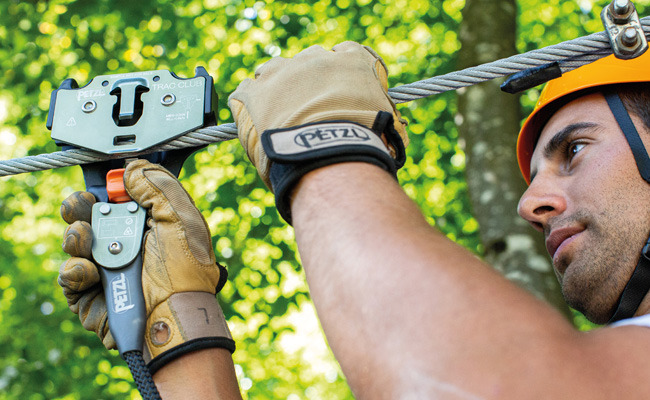
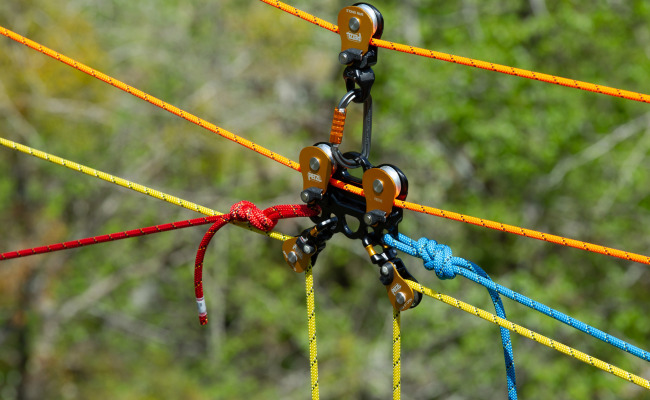
What is the difference between the Petzl Trac Guide pulley and the Trac Guide LT pulley?
Petzl offers three models of pulleys: the Trac Club, Trac Guide, and Trac Guide LT, which are pulleys designed for zip lines in rope parks. They are designed for use on steel cables with a diameter of 9–13 mm, though they can also be used on textile ropes. Learn about the differences between these models and see which pulley meets your needs.
Read more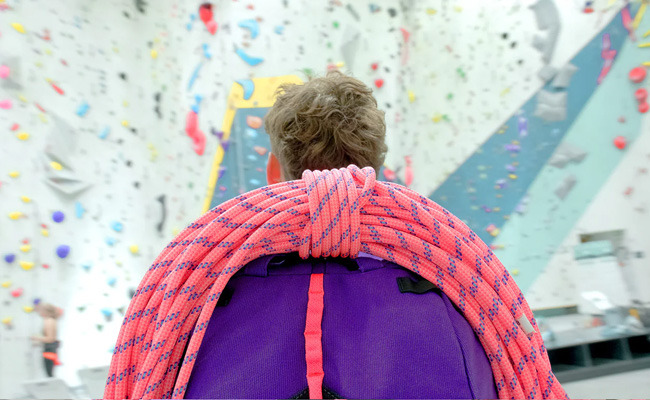
Dynamic ropes designed for climbing gyms
If you own or operate a climbing wall, you’ll need to decide which climbing ropes to equip your facility with. The right dynamic ropes ensure your customers’ safety and protect them from falling from a height while climbing. These ropes are typically permanently installed and used by people with varying levels of skill and experience. Check out our guide to find out which ropes are best for your facility, so you can ensure the highest level of safety for your customers and have the peace of mind that you’ve taken good care of them.
Read more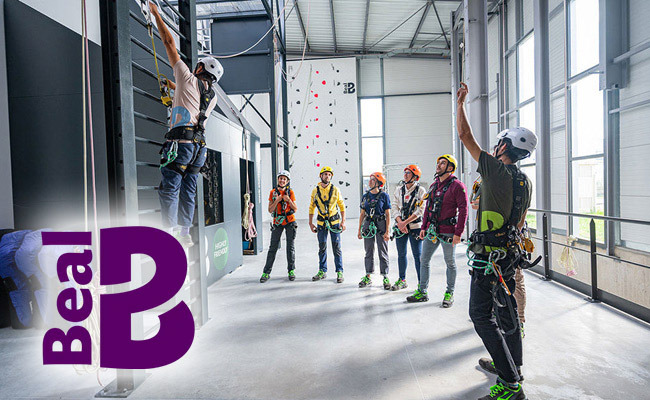
Ropes for Work at Heights by Beal - Types and Specifications
Are you looking for reliable equipment for rope access and industrial work? In this article, we take a closer look at professional semi-static ropes from Beal - a global leader in the field of safety at height. Learn about the detailed technical specifications, safety standards, and flagship models - such as Industrie, Access, and Contract - which guarantee maximum safety in the most challenging working conditions.
Read more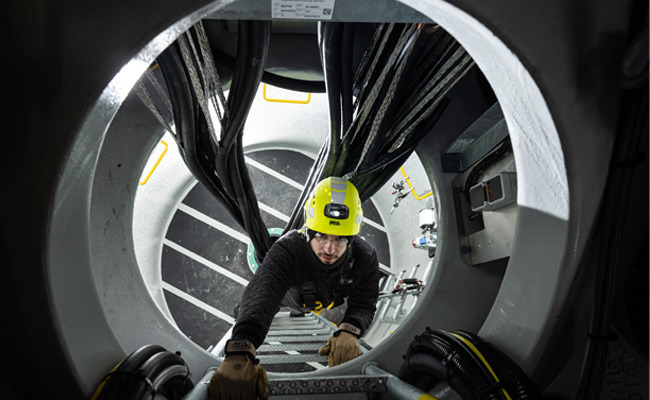
A Comparison of EN 892 and EN 1891: What Do They Cover, and How Do They Differ?
EN 892 and EN 1891 are the two most important European standards that specify the parameters for climbing ropes and semi-static ropes (so-called static ropes). Although both apply to ropes with a braided core construction, they differ significantly in terms of strength testing and intended use.
Read more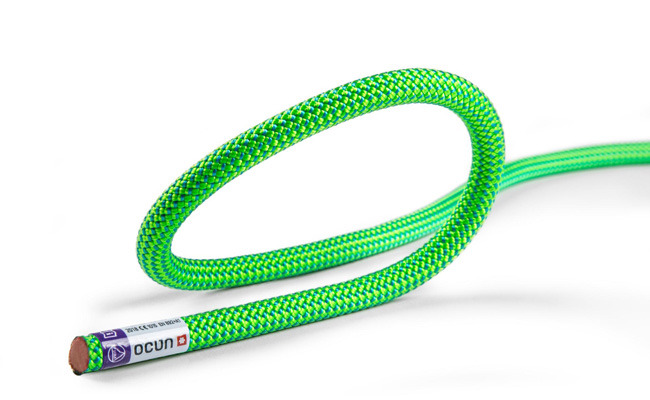
Dynamic, semi-static, and static ropes - how do they differ, and what are they used for?
Learn the key differences between the main types of ropes: dynamic, semi-static, and static. Our guide will help you choose the right equipment for a specific application: which ropes are suitable for climbing and which for working at heights. Find out how semi-static ropes differ from static ropes.
Read more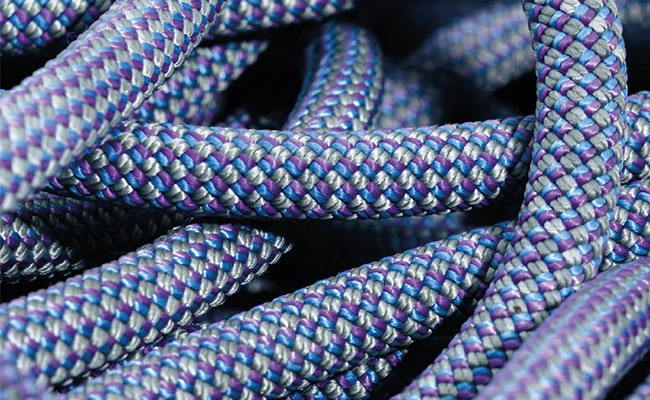
What is the Unicore technology used in climbing ropes?
The technologies used in the manufacture of climbing and mountaineering ropes have a significant impact on the safety, durability, and comfort of the equipment. One of the most innovative solutions in this field is Unicore technology, developed by the French brand Beal.
Read more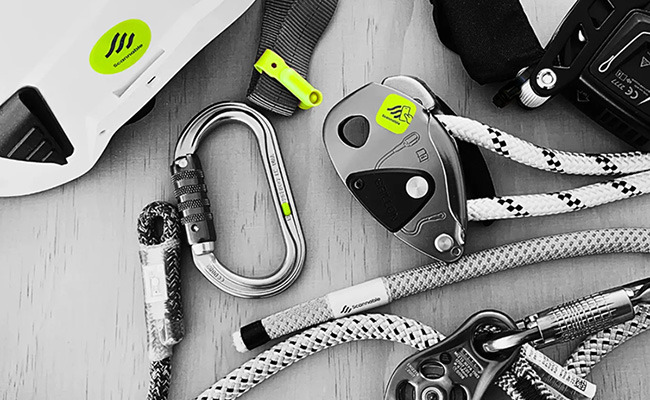
The role of NFC tags in equipment identification and SOI inspections
Managing a warehouse of aerial work equipment, keeping track of personal protective equipment (PPE), and performing inspections on time are the bane of every instructor, aerial work company owner, or rescue base manager. Traditional methods—such as engraving numbers or writing serial numbers with a marker—are becoming a thing of the past. Enter NFC Scannable tags, which transform a piece of metal or tape into a smart component of a digital management system.
Read more

Batteries and rechargeable batteries - which one should you choose?
Are you wondering which batteries or rechargeable batteries to buy for your flashlight, headlamp, or avalanche detector? Our guide will help you learn about the different types of batteries and rechargeable batteries, as well as which devices they’re compatible with.
Read more